The renewal rule that stops your CP12 dates drifting
By Jordan Valentine-Dunn, Gas Safe registered engineer · 24 June 2026 · Updated 10 July 2026
The CP12 renewal window lets you do the next gas safety check any time from 10 months after the last one and keep your original renewal date. Check earlier than 10 months and the clock resets to the new check date. The rule came in with a 2018 amendment to the Gas Safety (Installation and Use) Regulations 1998.
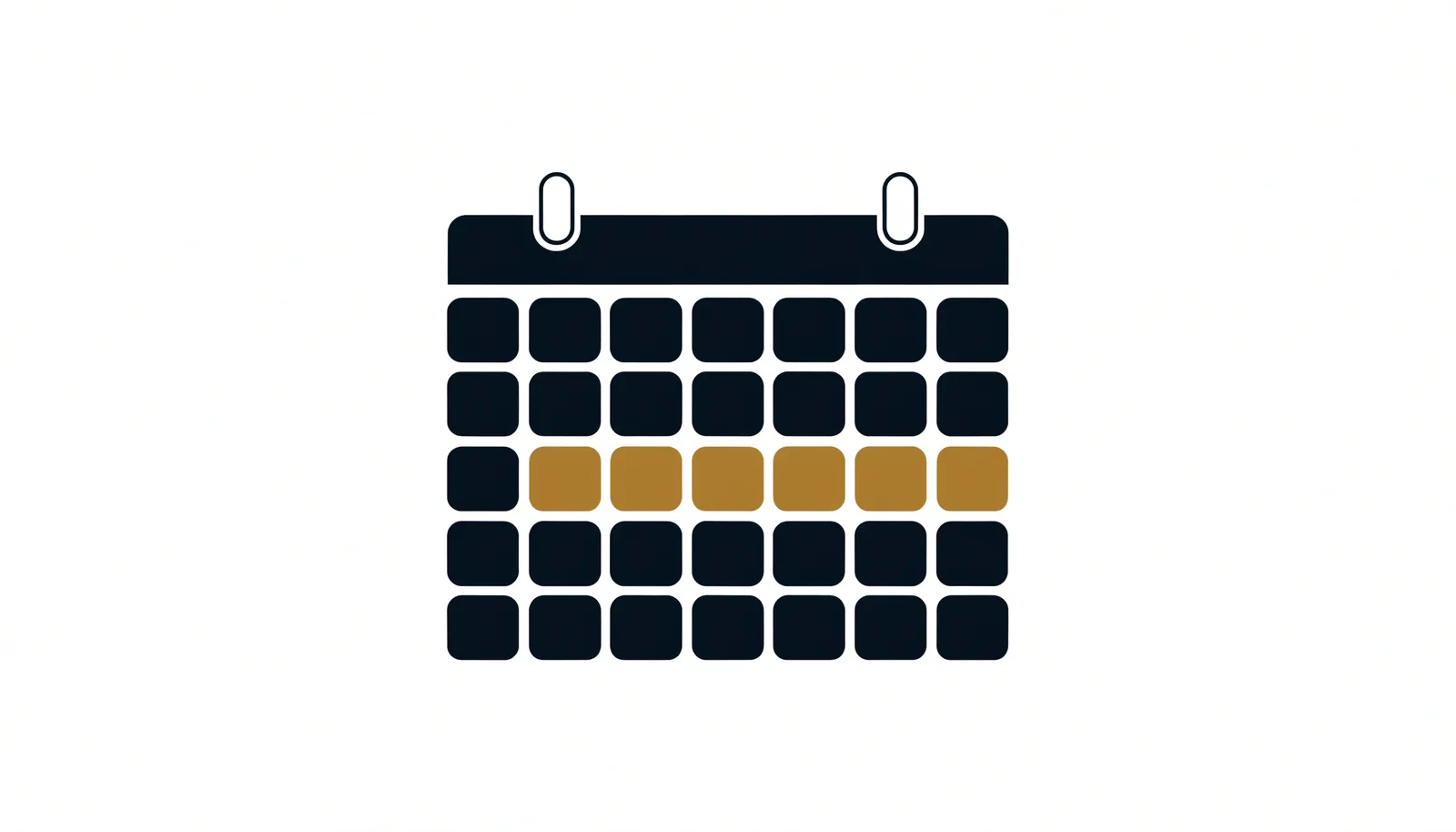
Why did CP12 dates drift before 2018?
Because doing a check early reset the clock. Say your check was due in June, but the tenant was between lets in April, so you sensibly got the engineer in then. That reset the due date to April, the next convenient slot the year after was March, and so on. Within a few years a June check had walked back into the depths of winter, the worst possible time to be booking gas work. The 2018 amendment put a stop to it.
How does the renewal window work?
- Do the check any time from 10 to 12 months after the last one, and the renewal date stays 12 months from your original date, so your anniversary holds.
- Do it earlier than 10 months and the clock resets: the new due date becomes 12 months from the actual check.
- Do it late, after the deadline, and you have had a gap in cover; the new date runs 12 months from the late check, and you were in breach in the meantime.
- So the sweet spot is a two-month window at the end, in which you can go early for convenience without your annual date drifting.
What does a worked example look like?
Say a property's last check was on 15 June 2025, so the record runs to 14 June 2026. You can do the next check any time from 15 April 2026, ten months in, and still keep 15 June as your anniversary; the new record will run to 14 June 2027. Turn up on 20 March, though, a few weeks too early, and the anniversary shifts to March for good. The lesson is simple: early is fine, but not too early.
Why does the window matter across a portfolio?
For a single property this is a nicety. Across a portfolio it is the difference between renewals landing on tidy, predictable anniversaries and slowly scattering across the calendar into the wrong months. Fixed dates let you batch: three flats in the same block, all due the same fortnight, done in one visit. Drifting dates turn that into three separate trips at three random times. Track the next-due date, not the check date, and use the window deliberately to pull nearby renewals into the same run.
What doesn't the renewal window change?
It does not extend anything. The record is still valid for 12 months, there is still no grace period once it lapses, and a late check does not backdate cover; the gap was still a breach. The window is a scheduling tool, nothing more. It lets you choose when in the final two months the engineer comes, without being punished for going early. The deadline itself is exactly as hard as it always was.
This is general guidance, not legal advice, and the check itself must be carried out by a Gas Safe registered engineer, the only person who can issue a valid gas safety record.