Worcester Greenstar combi, system or regular: which fits which home
By Jordan Valentine-Dunn, Gas Safe registered engineer · 9 September 2026
Worcester Bosch builds its Greenstar gas range in three configurations. A combi heats water straight from the mains and needs no cylinder. A system boiler feeds a hot water cylinder without a loft tank. A regular boiler works with a cylinder and loft tanks. The existing system usually decides which one fits.
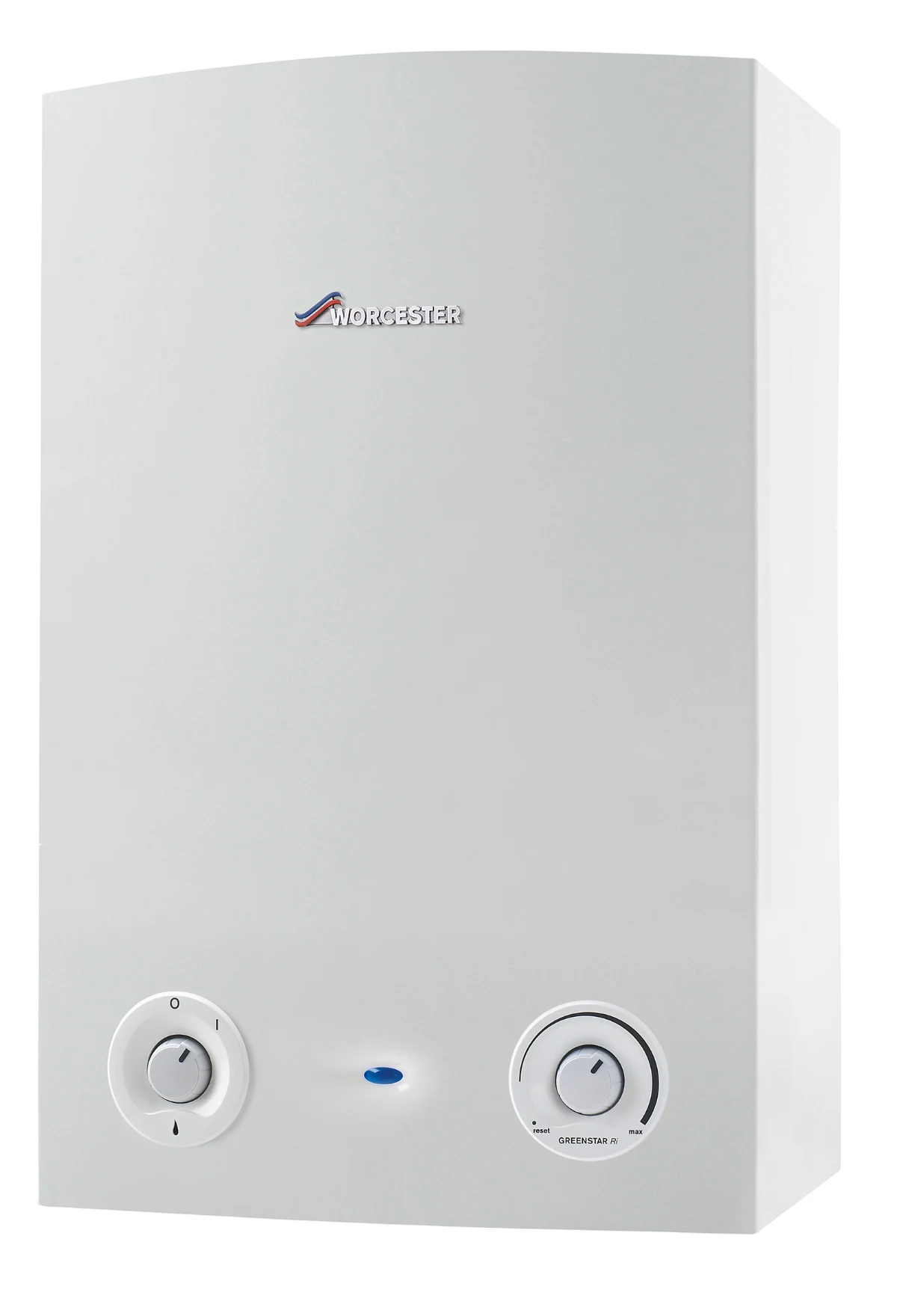
What is the difference between a combi, system and regular Greenstar?
Where the hot water comes from, and what else the property has to find room for. Worcester's own explanation is plain enough. A combi heats water directly from the mains when a tap opens, so there is no hot water storage cylinder and no cold water tank in the roof space. A system boiler stores hot water in a cylinder but has the major heating components built into the boiler itself, which removes the need for a loft tank. A regular boiler, which Worcester also calls traditional, conventional or heat only, needs the cylinder plus a cold water storage tank in the loft and a second tank to maintain the water level in the heating circuit.
Which Greenstar models are combis?
Most of the range. Worcester's current gas boiler directory puts the Greenstar 2000, the Greenstar 4000 and the flagship 8000+ Combi and 8000+ Style on the combi list. Two CDi models sit alongside them: the wall-mounted CDi Compact, which Worcester describes as fitting inside a standard kitchen cupboard and suiting homes with more than one bathroom, and the floorstanding CDi Highflow, aimed at larger two bathroom homes. Greenstar is the name Worcester gives to its entire gas boiler range, so the badge on the case tells you nothing about the configuration on its own.
Which Greenstar models are system boilers?
Three in the current domestic gas line-up. Worcester lists the 8000+ System, the Greenstar 4000 System Range, and the Greenstar i System in 27kW and 30kW, which it describes as a space saving unit that fits within a standard kitchen cupboard and suits homes with higher heating and hot water demand. The Greenstar 2000 does not appear on the system list in the current directory, so check Worcester's own product pages rather than assuming a system version of that model is available.
Which Greenstar models are regular boilers?
The 8000+ Regular, the Ri family and one floorstanding option. Worcester sells the Greenstar Ri in two bands, 12kW to 24kW for small to medium homes and 27kW to 30kW for medium to large homes, and calls the smaller band its best selling regular boiler. The floorstanding CDi FS Regular is offered as a replacement for an older floorstanding unit. Worcester also uses the term open vent for this type, which is the phrase you are more likely to hear on site for a system with tanks in the loft.
When is a regular boiler still the right call?
When the existing pipework and radiators cannot take the pressure. Worcester makes the point itself: a regular boiler may be the best option for replacing an existing boiler where the property has an older radiator system that might not cope with the higher water pressure a system or combi delivers. It also lists regular boilers as a good option where mains water pressure is low, and as the sensible choice where a lot of hot water is drawn at once across two or more bathrooms. On those jobs the cylinder conversation is the honest one, even when the customer arrived asking for a combi.
Why does a bigger combi not always give more hot water?
Because the incoming mains supply sets the ceiling. Worcester's own explanation of flow rate is worth repeating to customers: a high kW output will not always increase the flow rate, because a property receiving 10 litres a minute at the main cannot deliver more than 10 litres a minute of hot water whatever boiler is fitted. Measuring the incoming flow before promising anything about shower performance saves an awkward return visit later.
What should you check before quoting a change of configuration?
Whether the property can take it, before the model choice is on the table at all.
- The data plate: read the existing make, model and configuration off the appliance rather than from the customer's description.
- Incoming mains flow and pressure: this decides whether a combi can meet the hot water demand at all.
- Cylinder and tank space: moving from regular to system frees the loft, and moving to a combi frees the airing cupboard as well.
- The state of the existing system: Worcester asks installers to consider the cleanliness of the existing pipework and radiators, because debris carried into a new boiler can damage it.
- Bathroom count and simultaneous use: Worcester puts system and regular boilers ahead of combis once a home has two or more bathrooms.
Only a Gas Safe registered engineer can size, install, service or certify a gas boiler. This is general guidance on how Worcester Bosch groups the Greenstar range, not a substitute for the installation manual or a proper heat loss and hot water demand calculation. Confirm the exact model and output from the data plate, and work to Worcester's current instructions for the appliance in front of you.
Boiler reference
Whichever configuration goes in, the record afterwards is the same job every time. Manifold builds the CP12 and the service record from the check on your phone, reads the make, model and GC number off the data plate with PlateScan, and keeps the appliance history against the property so the next visit starts with what is actually fitted.
See how Manifold helps